
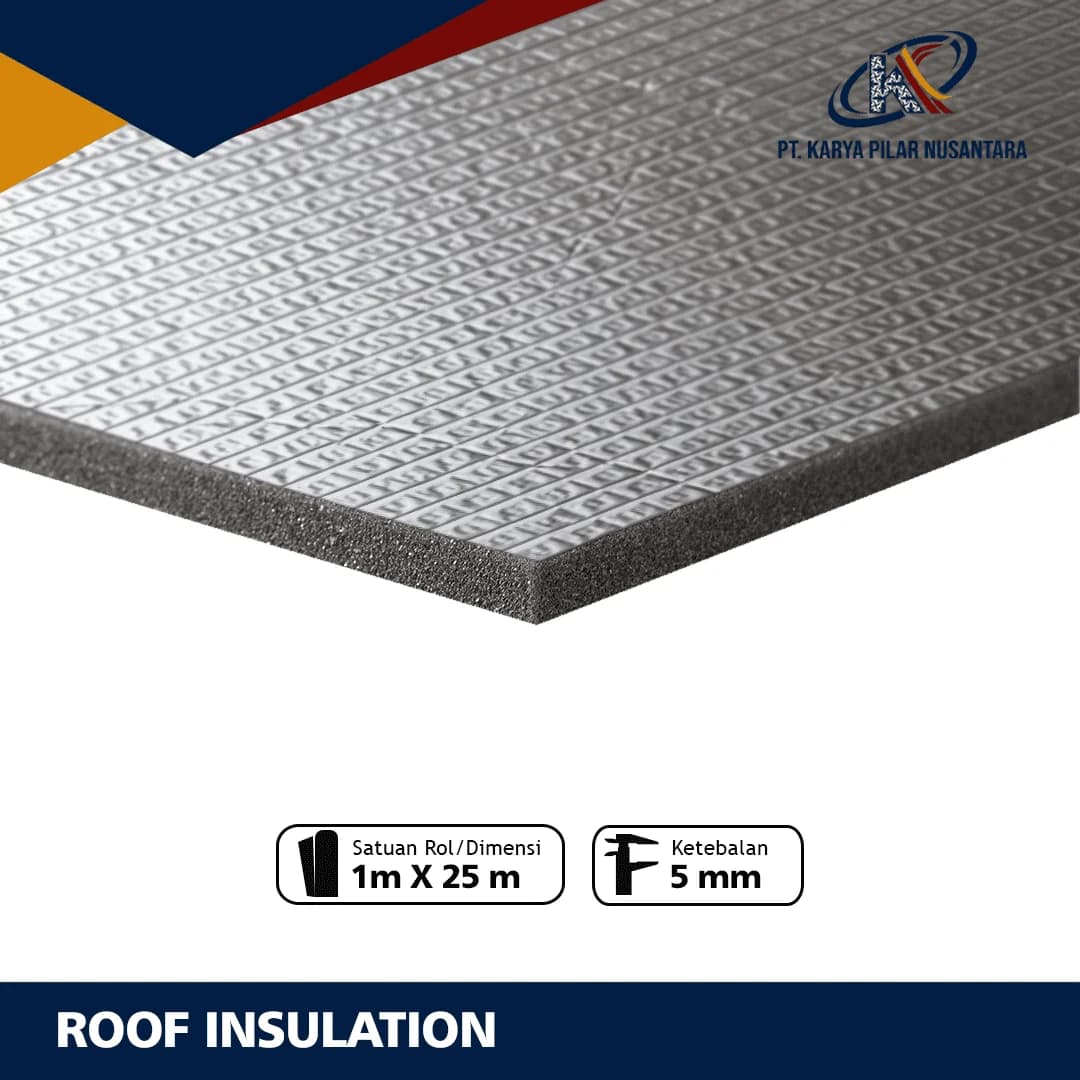
Thickness
015 mm
Renovation / light needs
A practical choice for homes and basic requirements.
RenovationLight buildings
Roof Insulation · XLPE Foam
Order NowKarpinux Roof Insulation — XLPE Foam + aluminium foil insulation designed to help reduce heat transfer through the roof.
WHY THE HEAT?
The roof receives the most direct sunlight. Heat travels indoors through the roofing material and radiation.
DEFINITION
Roof heat insulation is a layer installed beneath a roof to slow heat from entering the room. In practice, the terms heat barrier, roof insulation, and thermal roof insulation are often used interchangeably.
They share the same purpose, but their materials and mechanisms can differ: some reflect radiation, while others resist conduction with foam, fiber, or mineral layers.
One goal: reduce heat entering through the roof. Choose the system that fits your building and needs.
APPLICATIONS
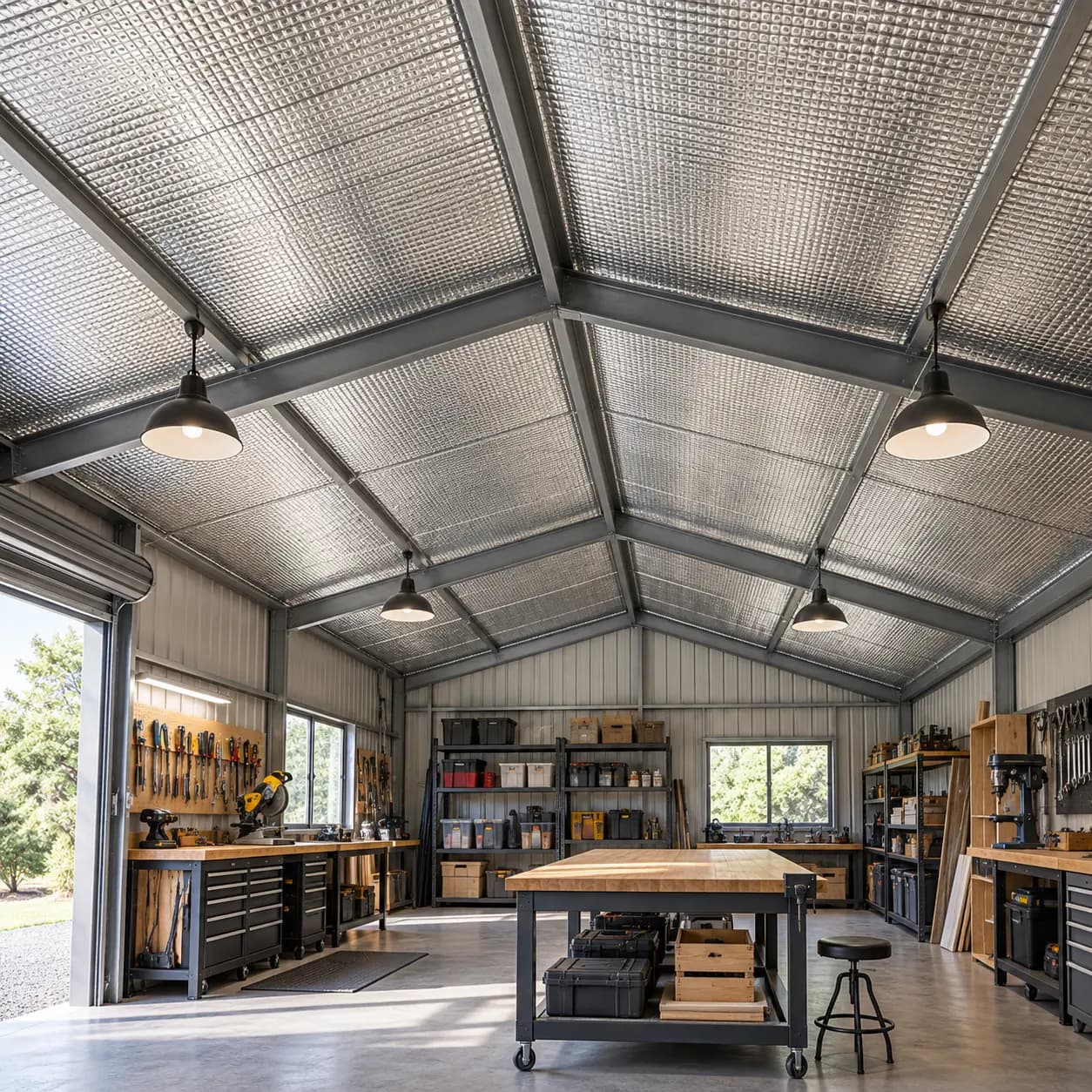
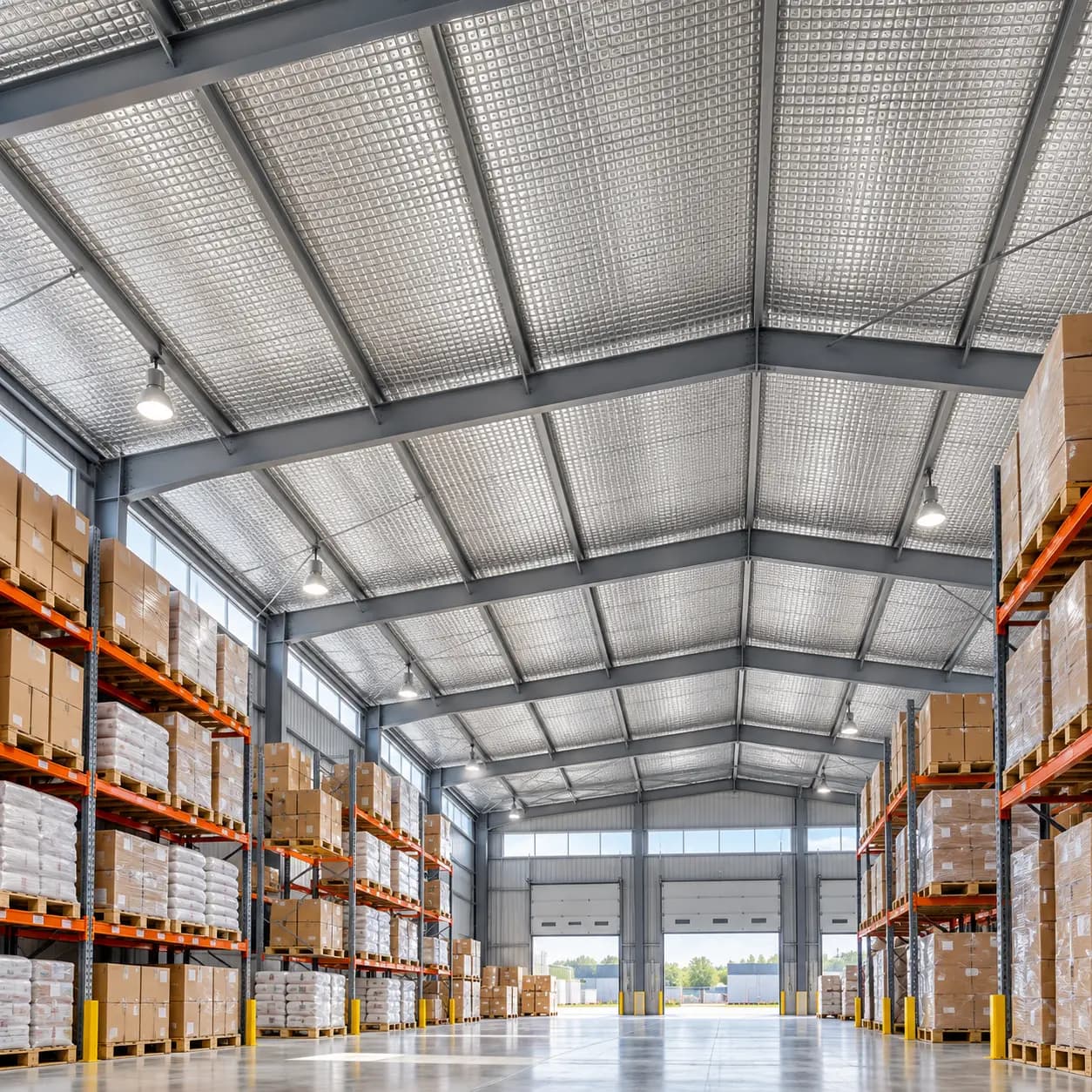
Wide roofs and large spans. Helps keep storage and operational areas more comfortable.
PRIORITYHot work environments affect teams and processes. Roof insulation helps reduce heat from above.
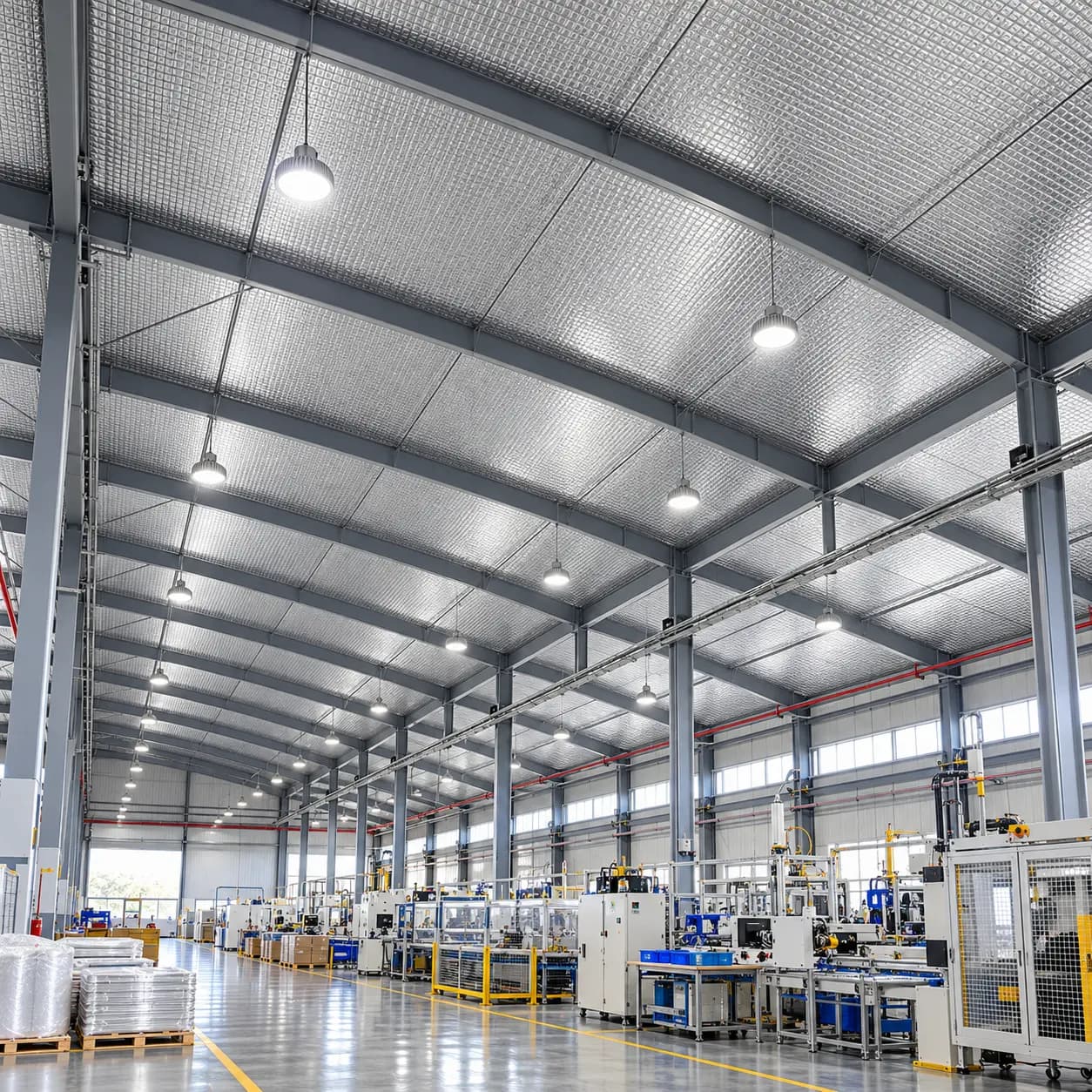
PRIORITYHigh-activity work areas with machinery and metal roofs that heat up quickly.
PRIORITYFor roof renovations or rooms beneath a roof that feel too hot.
Shops, showrooms, and commercial facilities with metal roofing.
KARPINUX SYSTEM
Its closed-cell structure helps manage heat transfer through the material.
The reflective layer helps reflect radiant heat from the roof.
Together, material heat + radiation are handled in one system.
View the full Karpinux Roof Insulation specifications →THICKNESS OPTIONS
Available in three thicknesses to suit your building, insulation requirements, and project installation method.
A practical choice for homes and basic requirements.
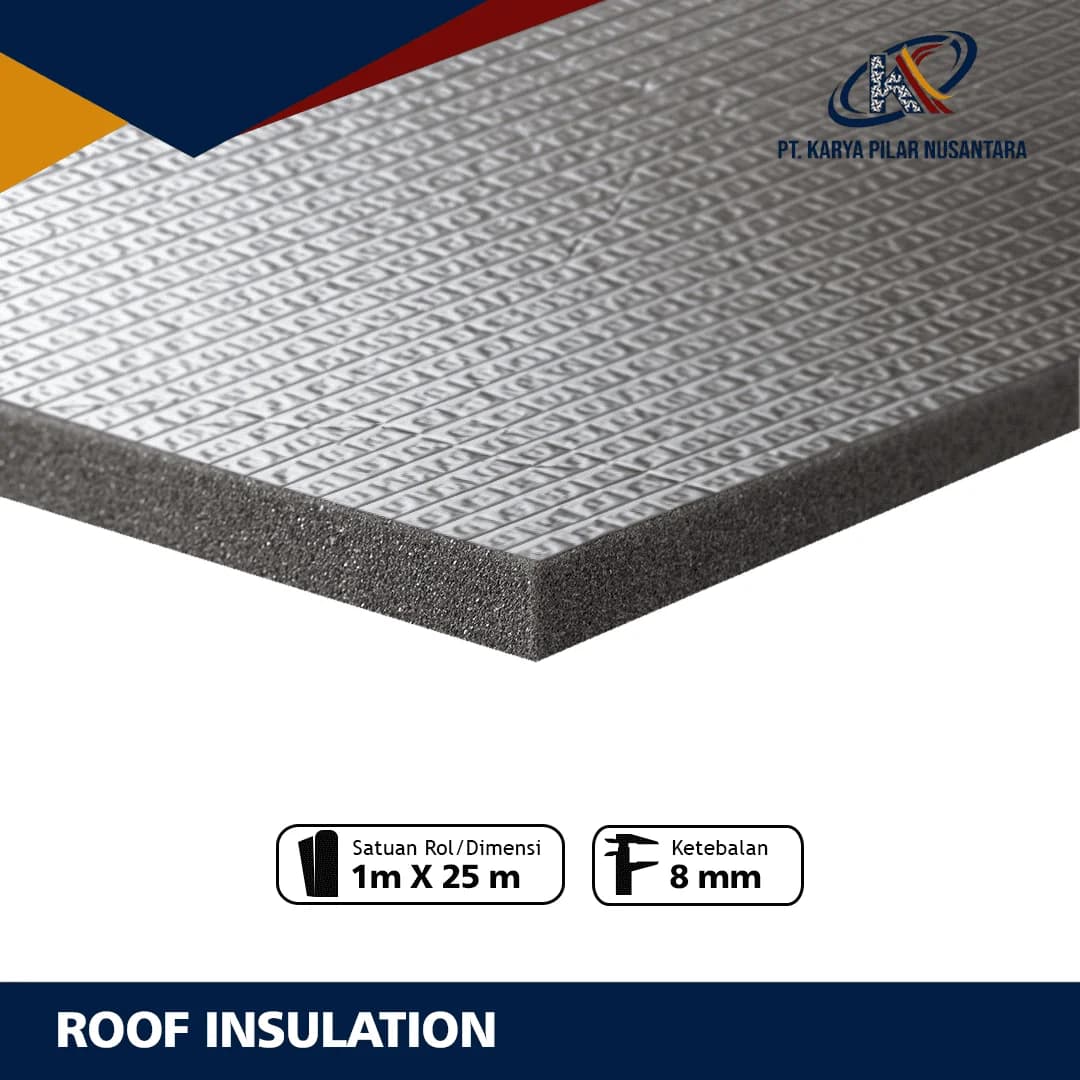
A balance of performance and cost for wide-roof buildings.
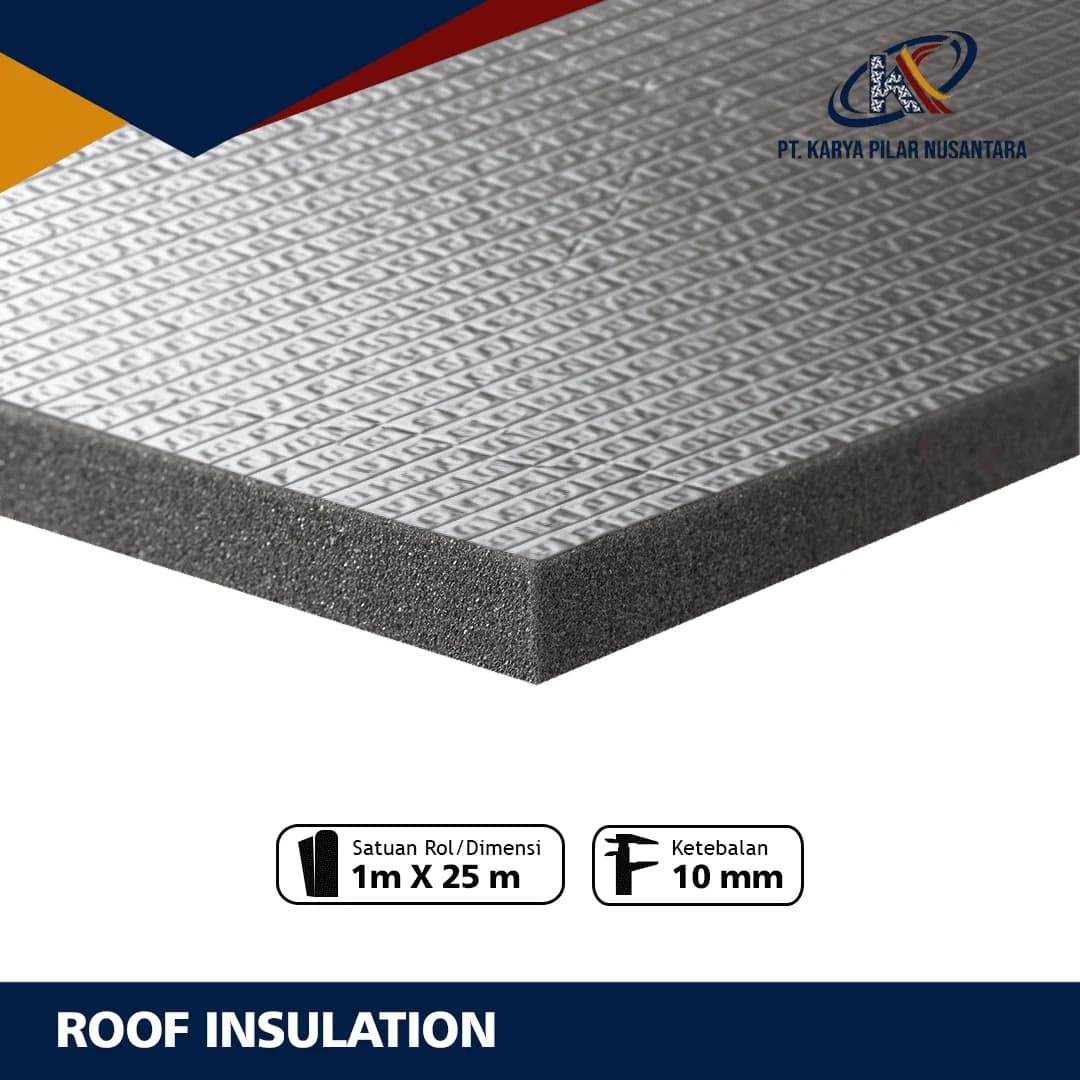
For high-heat environments and more demanding needs.
METAL ROOFING
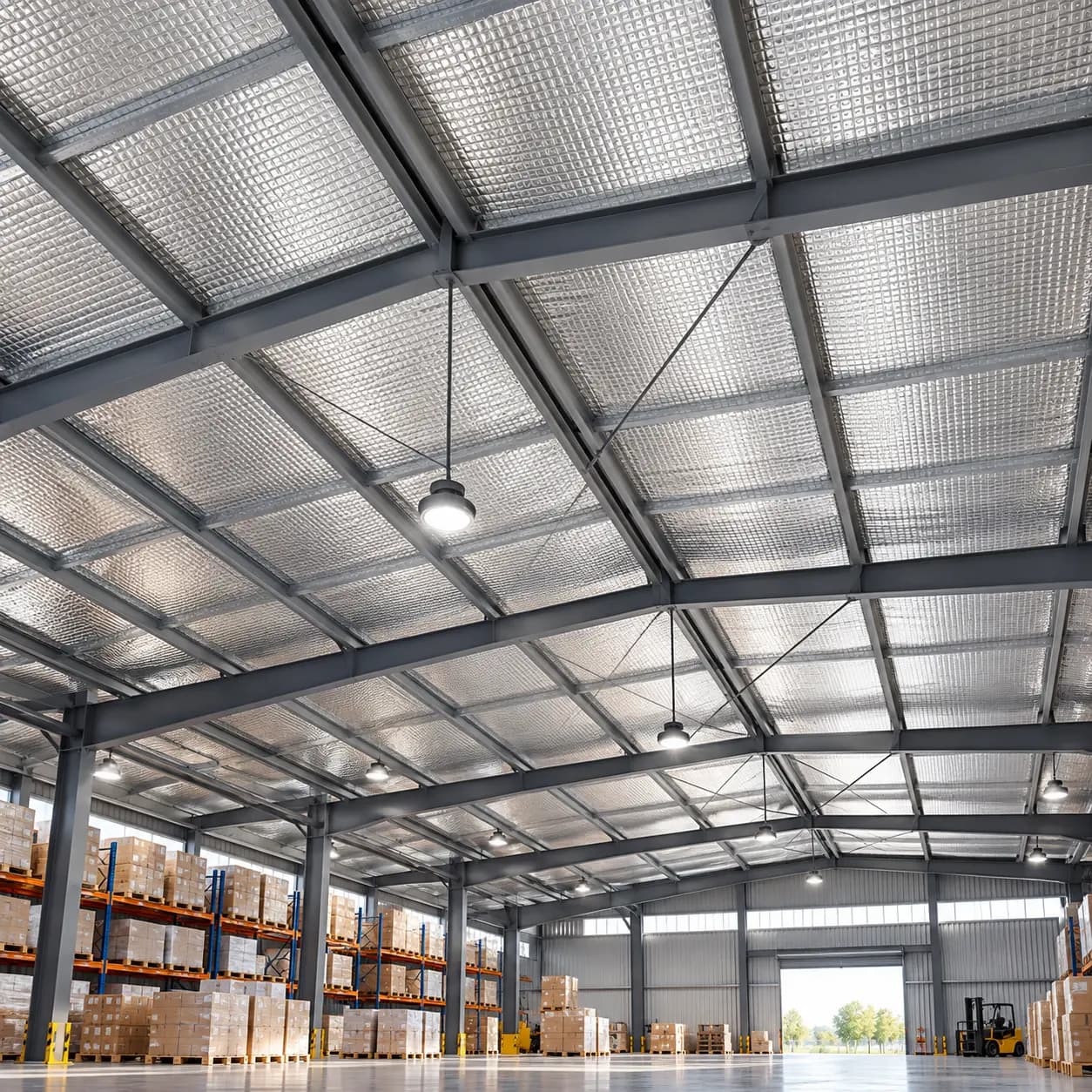
Metal roofs absorb and conduct heat quickly. Insulation is therefore highly relevant for warehouses, workshops, factories, and other buildings that use spandek or galvalume roofing.
CALCULATOR
Example: a 500 m² roof with 1 × 25 m rolls (±25 m² per roll) ≈ ±20 rolls plus installation allowance.
Initial estimate. The official calculator is on the Roof Insulation page ↗
MATERIAL COMPARISON
| Material | System | Characteristics |
|---|---|---|
| Aluminium foil | Reflective | Thin |
| Bubble foil | Reflective + air cell | Lightweight |
| XLPE foam + foil | Foam + reflective | Closed cell |
| Glasswool | Fibrous insulation | Thick / fibrous |
| Rockwool | Mineral insulation | Thermal + acoustic |
FOR YOUR PROJECT
Enter a few details and send them through WhatsApp. Our team will help calculate and recommend a solution.
It depends on the roof type, span, and project needs. For warehouses and factories, an XLPE foam + aluminium foil system combines material heat resistance with radiant heat reflection. Consult us to choose the right solution.
Both refer to reducing heat entering through the roof. Heat barrier is a more general term, while roof insulation is more technical. The materials and mechanisms may differ.
Yes. Spandek and galvalume roofs are common on warehouses, workshops, and factories, and are typical roof-insulation applications.
As a guide: 5 mm for renovations or light needs, 8 mm for warehouses and commercial buildings, and 10 mm for factories and heavier applications.
With 1 × 25 m rolls (±25 m²), 100 m² needs about 4 rolls, plus a 5–10% installation allowance (approximately 5 rolls). Use the calculator above for other areas.
Yes. Their wide roofs receive substantial heat from above, making roof insulation relevant for a more comfortable work area.
Discuss your needs and get a quote for your project.