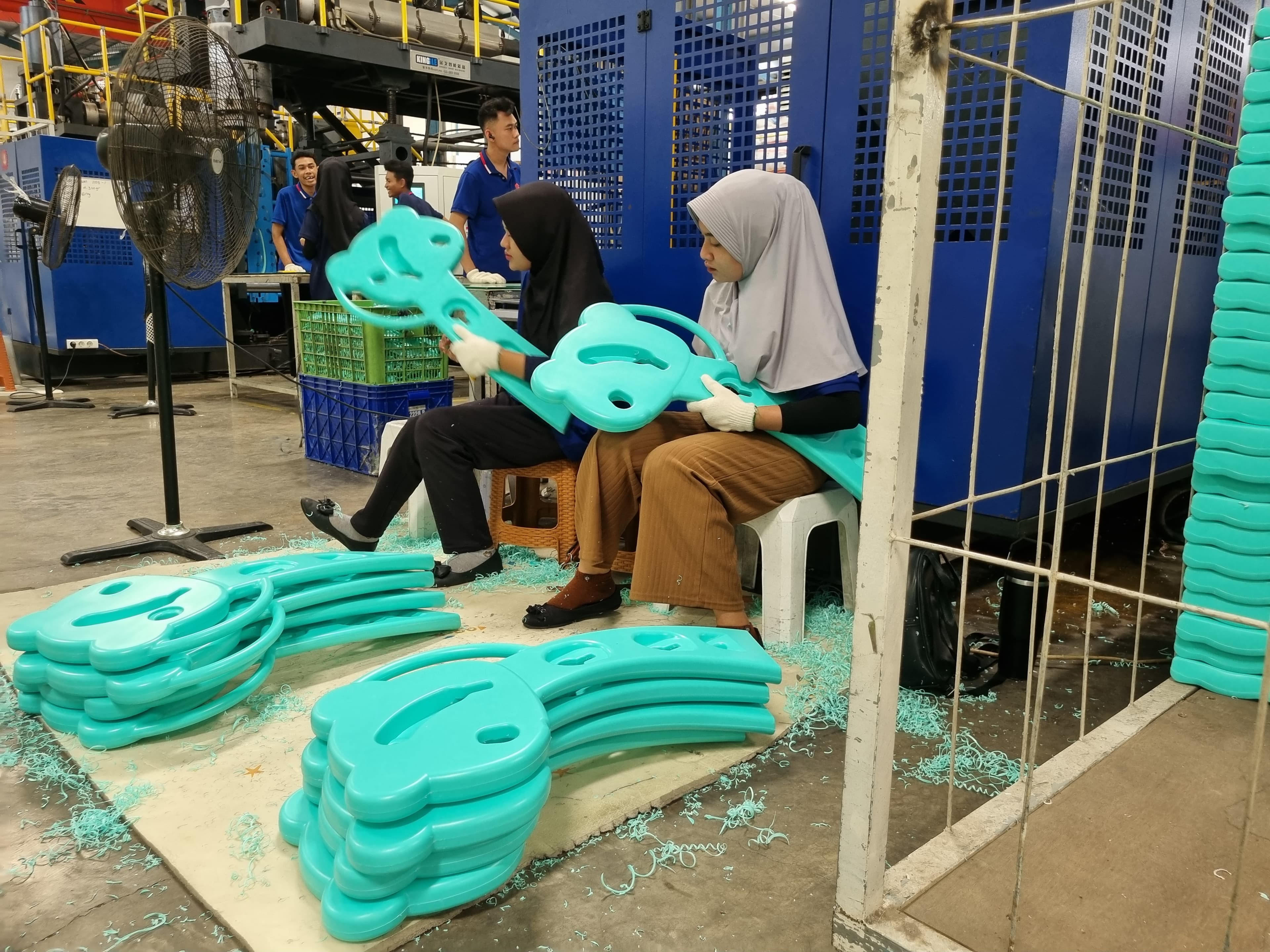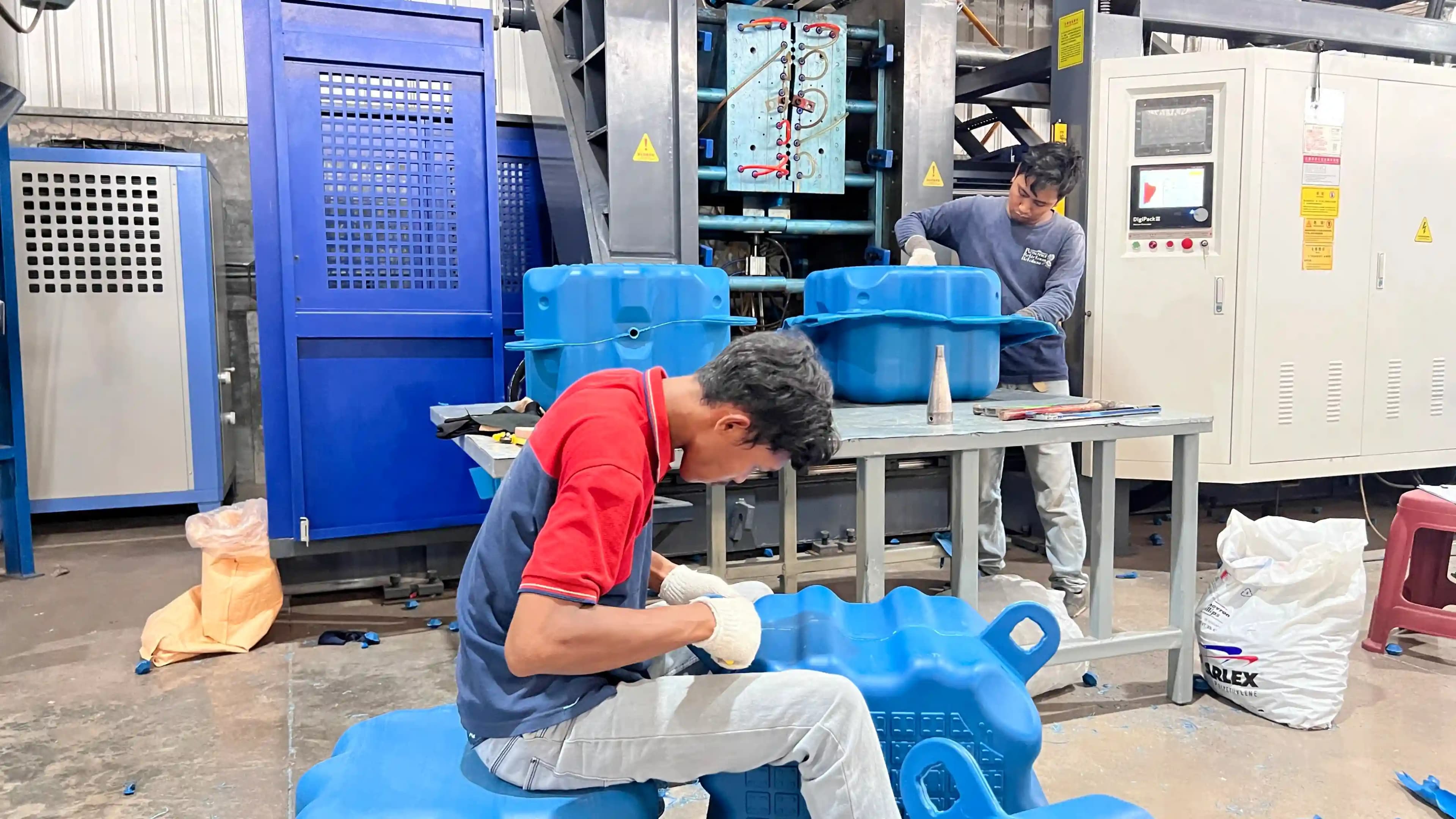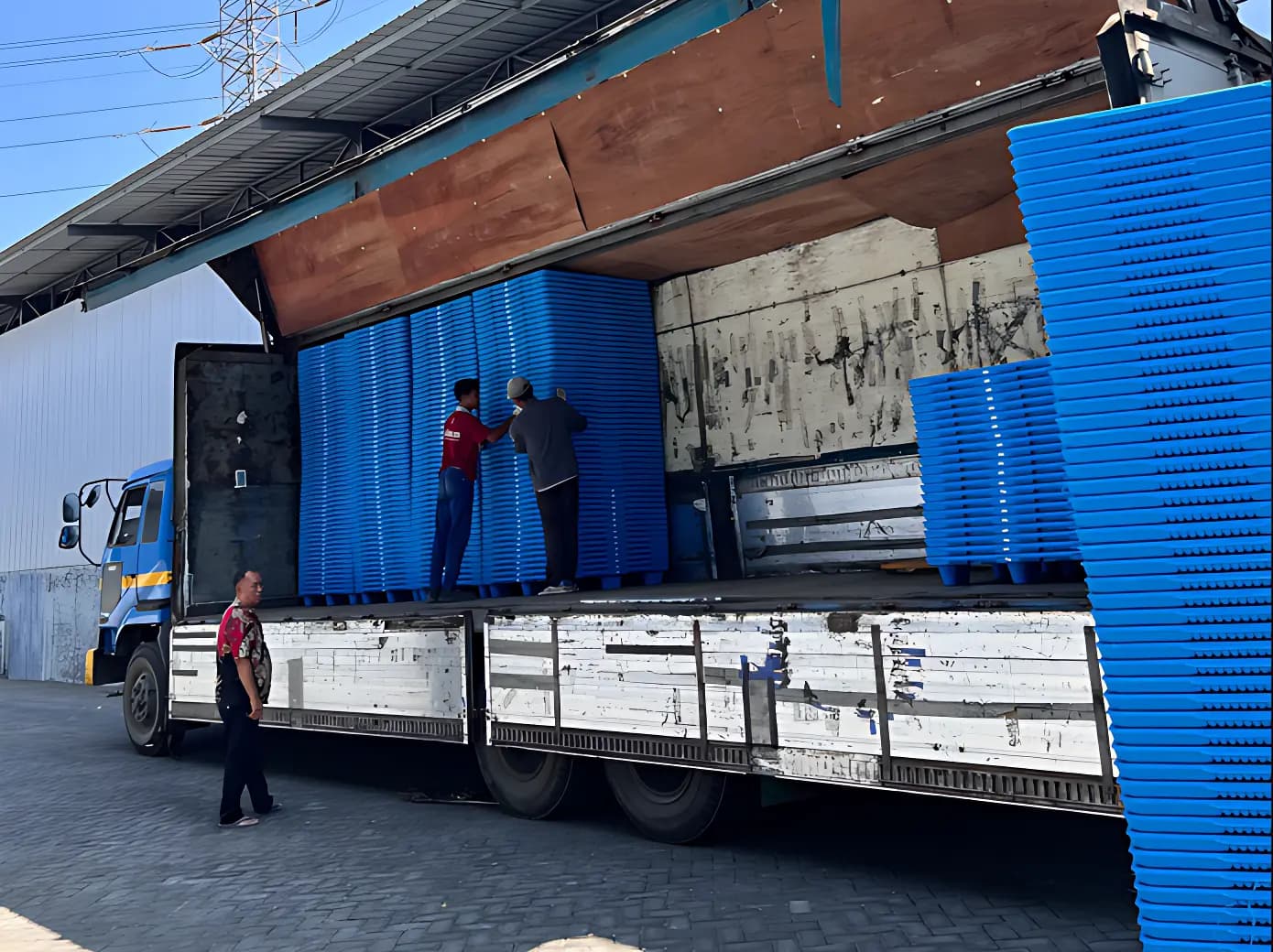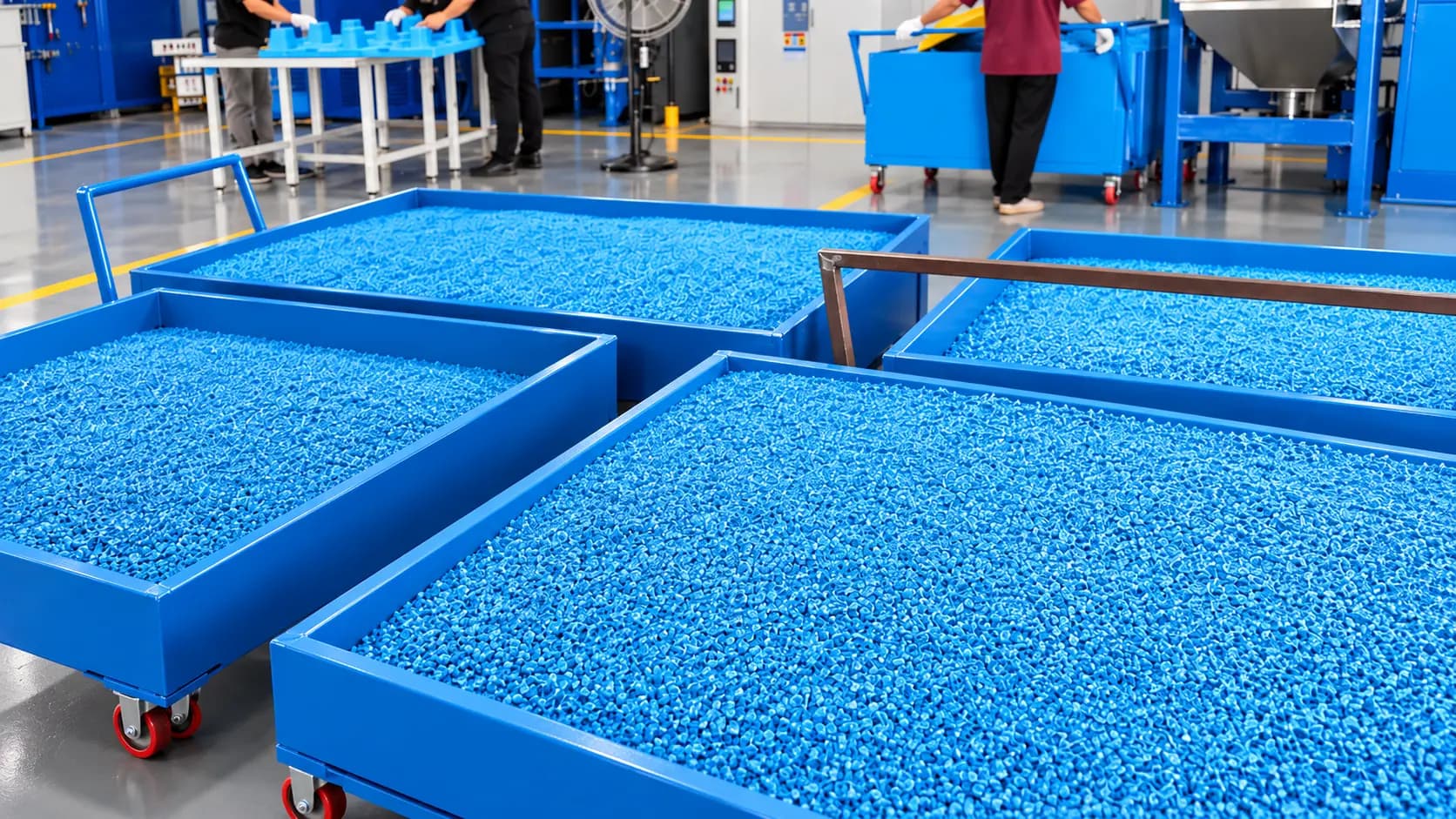
High-Density Polyethylene, or HDPE, is a type of thermoplastic widely used in industrial products, ranging from pipes, tanks, chemical drums, pallets, and marine components to various outdoor products.
HDPE is chosen not simply because it is a plastic material and relatively lightweight. Its molecular structure provides an interesting combination of properties: lightweight, rigid yet impact-resistant, extremely low water absorption, resistance to many chemicals, immunity to corrosion commonly associated with metals, and the ability to be molded into large components.
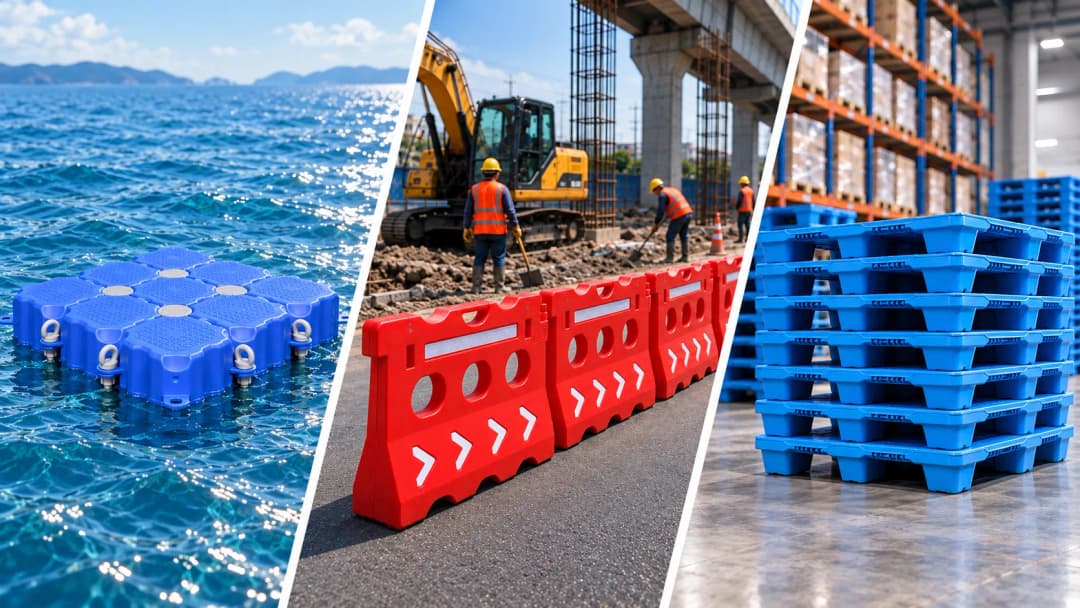
These characteristics make HDPE suitable for various products, including HDPE Floating Cubes, HDPE Pallets, and Road Barriers.
What Exactly Is HDPE?
HDPE belongs to the polyethylene family. Its main difference from lower-density polyethylene, such as LDPE, lies in its molecular chain structure.
HDPE chains are relatively more linear and have fewer branches. This allows the polymer chains to pack more closely together, resulting in a higher degree of crystallinity.
Certain HDPE grades can have crystalline regions of up to approximately 90%, while their density typically ranges from approximately 0.94 to 0.97 g/cm³. This more tightly packed structure contributes to the material's rigidity and mechanical strength.
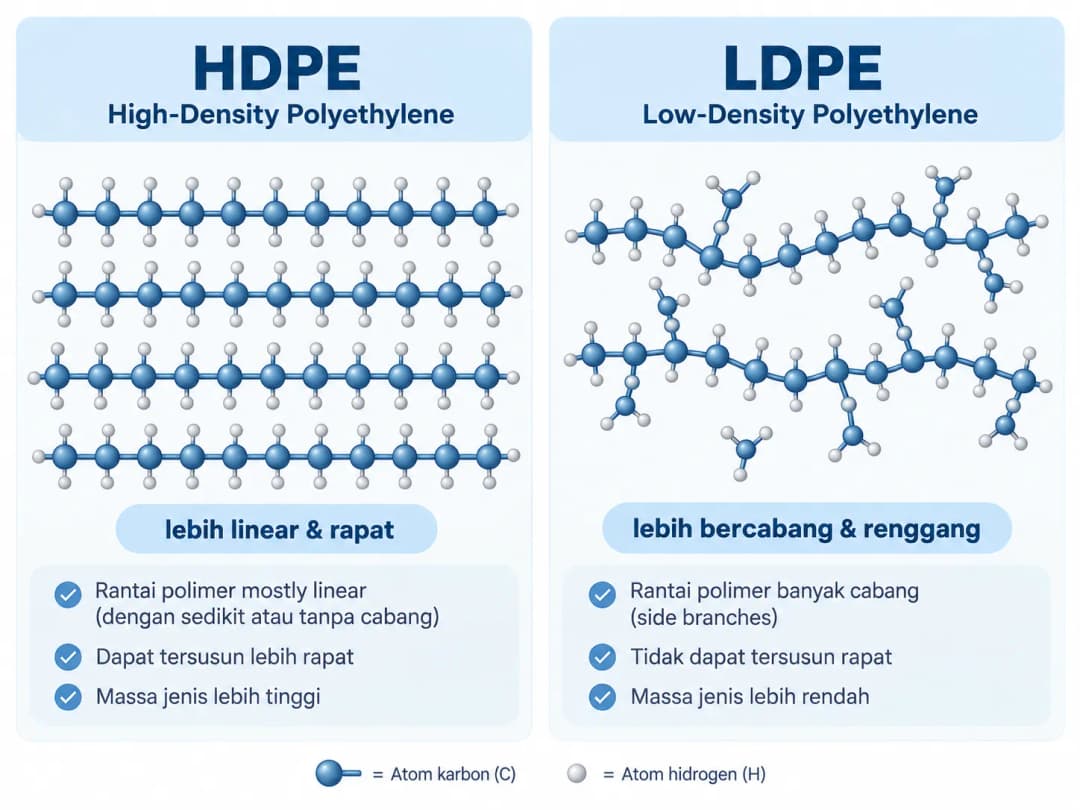
The British Plastics Federation identifies HDPE as a material that combines good chemical resistance, low-temperature toughness, good processability, and a density of approximately 0.944–0.965 g/cm³.
However, HDPE does not exhibit identical characteristics in every product.
HDPE resins are available in numerous grades, with differences in molecular weight, molecular weight distribution, copolymers, pigments, and additives.
Therefore, simply stating that a product is "made of HDPE" is not sufficient to determine its actual performance.
Product design, wall thickness, molding processes, resin quality, and additives can result in significantly different performance characteristics.
Lightweight, But Not Weak
One of the notable characteristics of HDPE is its relatively low density.
For example, one commercial HDPE grade from LyondellBasell has a density of approximately 0.950 g/cm³, while data compiled by MatWeb for various injection-molded HDPE grades indicates an average density of approximately 0.954 g/cm³.
This means HDPE can be used to manufacture structures that are relatively lightweight compared to many conventional structural materials.
For products that are frequently moved, transported, installed, or dismantled, this weight advantage has practical implications.
In HDPE Road Barriers, for example, the material's low weight makes empty barriers easier to handle before they are filled with water according to their intended design.
In HDPE Pallets, the material's low density helps keep the pallet's own weight relatively low compared to the load it is designed to carry.
For HDPE Floating Cubes, the fact that HDPE resin has a lower density than water is a beneficial material characteristic.
However, it is important to understand that the load-bearing capacity of a floating cube is not determined by HDPE density alone.
Actual buoyancy depends on the volume of water displaced, the product's volume, total weight, hollow structure, and overall structural design.
Therefore, the load capacity of floating cubes must be determined through product design and testing, rather than solely based on the type of material used.
Extremely Low Water Absorption
For products installed in aquatic or humid environments, water absorption is an important consideration.
Polyethylene naturally has very low moisture absorption.
Ensinger identifies minimal moisture absorption as one of the key characteristics of polyethylene.
According to technical data for one of Röchling's PE-HD materials, water absorption is approximately 0.01%, based on DIN EN ISO 62.
This characteristic is particularly relevant to floating cubes.
Unlike wood, which can absorb substantial amounts of water into its structure, HDPE does not behave in the same way.
Additionally, HDPE does not undergo electrochemical corrosion like iron.
Röchling also lists PE-HD applications in aquafarming, boat building, drinking water and wastewater technology, and chemical storage tanks.
The company further notes that certain materials within the PE-HD family are suitable for exposure to corrosive seawater environments.
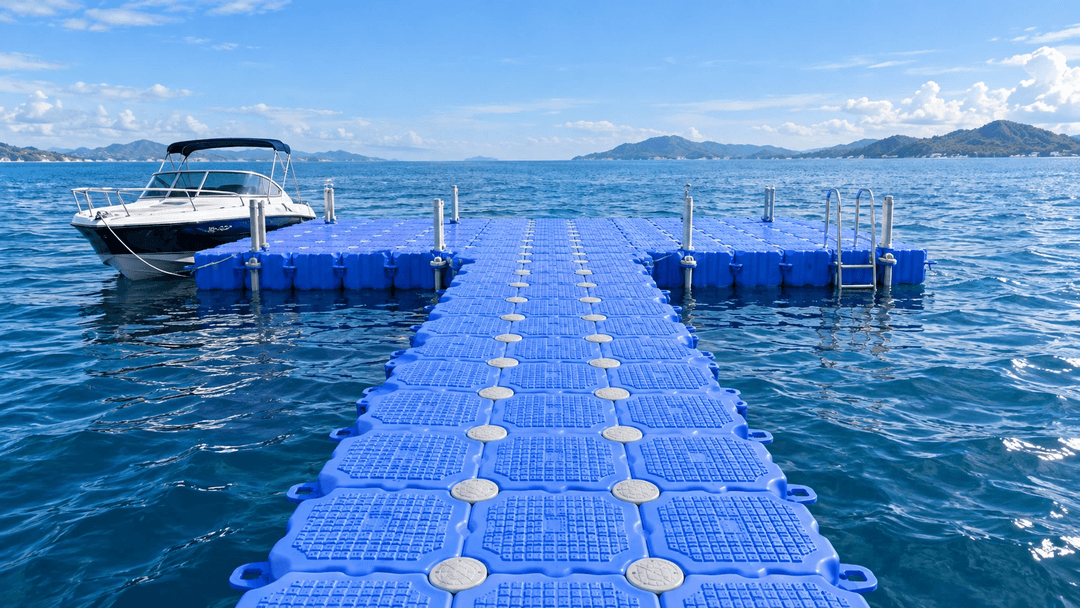
This explains why polyethylene is commonly found in marine products, tanks, piping systems, and water-based structures.
Impact-Resistant and Less Brittle Than Highly Rigid Materials
Industrial products rarely operate under ideal conditions.
Pallets may be struck by forklifts. Road barriers may be hit or bumped by vehicles. Floating cubes continuously move due to waves and impacts between connected components.
This is where impact resistance becomes important.
Ensinger states that polyethylene has high impact strength, including at low temperatures.
ExxonMobil also develops various HDPE resins that combine toughness, stiffness, and environmental stress cracking resistance.
Certain HDPE grades specifically designed for blow molding by INEOS offer a combination of high impact strength and excellent environmental stress crack resistance.
HDPE must do more than withstand a single peak force. It must also withstand repeated impacts, deformation, and localized stress throughout its service life.
For HDPE Road Barriers, this characteristic helps explain why polymer materials can be used to manufacture barriers that behave differently from highly rigid concrete blocks.
However, there is an important limitation: the impact resistance of HDPE does not automatically mean that a road barrier meets a specific safety performance level.
Crash performance must still be demonstrated through appropriate system design and testing methods.
The same principle applies to pallets.
The strength of HDPE as a material does not automatically determine how many tons of static, dynamic, or racking load an individual pallet can support.
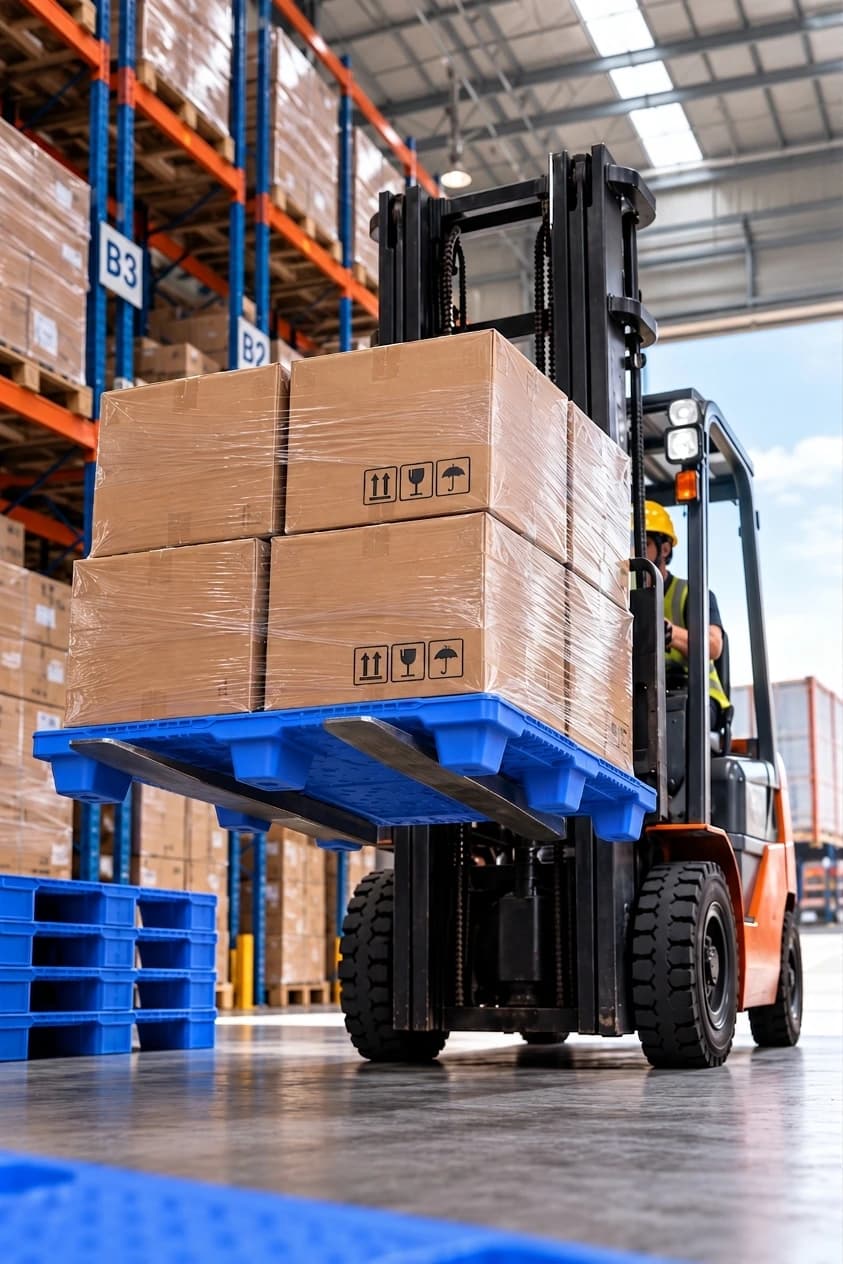
These capacities are heavily influenced by pallet geometry, ribbing, the number of supporting feet, structural thickness, load distribution, molding quality, and the possible use of reinforcement.
In other words:
The material provides the potential for performance, while the design determines how that potential is utilized.
Resistant to Many Chemicals and Does Not Corrode Like Metal
HDPE has a nonpolar chemical structure that provides resistance to many chemical substances.
Ensinger describes polyethylene as having excellent chemical resistance, while the United States Environmental Protection Agency (EPA) characterizes HDPE as stiff, strong, and resistant to chemicals.
The British Plastics Federation reports excellent resistance to various dilute acids, dilute alkalis, and alcohols.
This is one reason HDPE is commonly used for chemical drums, jerry cans, and various industrial containers.
This property is particularly relevant to HDPE Pallets, which may be used in food warehouses, chemical storage facilities, manufacturing plants, or production environments requiring frequent cleaning.
Unlike metal pallets, HDPE does not rust when exposed to water.
However, the term "chemical-resistant" should not be interpreted as "resistant to all chemicals."
Resistance to oils, grease, aromatic hydrocarbons, certain solvents, and other substances may vary.
Temperature and exposure duration also affect performance.
Therefore, industrial applications involving aggressive chemicals require a chemical compatibility assessment based on the specific resin grade actually used.
Environmental Stress Crack Resistance: An Overlooked but Critical Property
One important parameter of industrial HDPE is Environmental Stress Crack Resistance (ESCR).
In simple terms, ESCR describes a material's ability to resist crack formation caused by a combination of mechanical stress and certain environmental conditions.
Resin manufacturers such as ExxonMobil, INEOS, and LyondellBasell specifically develop HDPE grades with high ESCR for blow-molded products, including chemical containers, drums, large tanks, and intermediate bulk containers.
This is important because polymer product failures do not always result from a single major impact.
Cracks can develop gradually in areas subjected to continuous stress, joints, geometric corners, internal pressure, or environmental exposure.
For products such as floating cubes, road barriers, and HDPE tanks, resistance to stress cracking is a far more relevant material parameter than simply claiming that the plastic is "thick."
UV Stabilization
One common misconception is that all HDPE materials are automatically resistant to long-term sunlight exposure.
In reality, ultraviolet radiation can cause photo-oxidation in polyethylene.
Research published by NIST demonstrates that UV exposure and temperature can reduce the elongation at failure of HDPE, ultimately increasing the material's tendency to become brittle.
Therefore, HDPE intended for outdoor use generally requires an appropriate formulation, such as pigments or UV stabilizers.
Resin manufacturers offer HDPE grades specifically stabilized for outdoor applications.
For example, INEOS provides high-molecular-weight, UV-stabilized HDPE for large-part blow molding, offering high impact strength, excellent chemical resistance, and excellent weathering resistance.
SABIC and LyondellBasell also offer polyethylene grades with UV stabilization for outdoor applications.
\
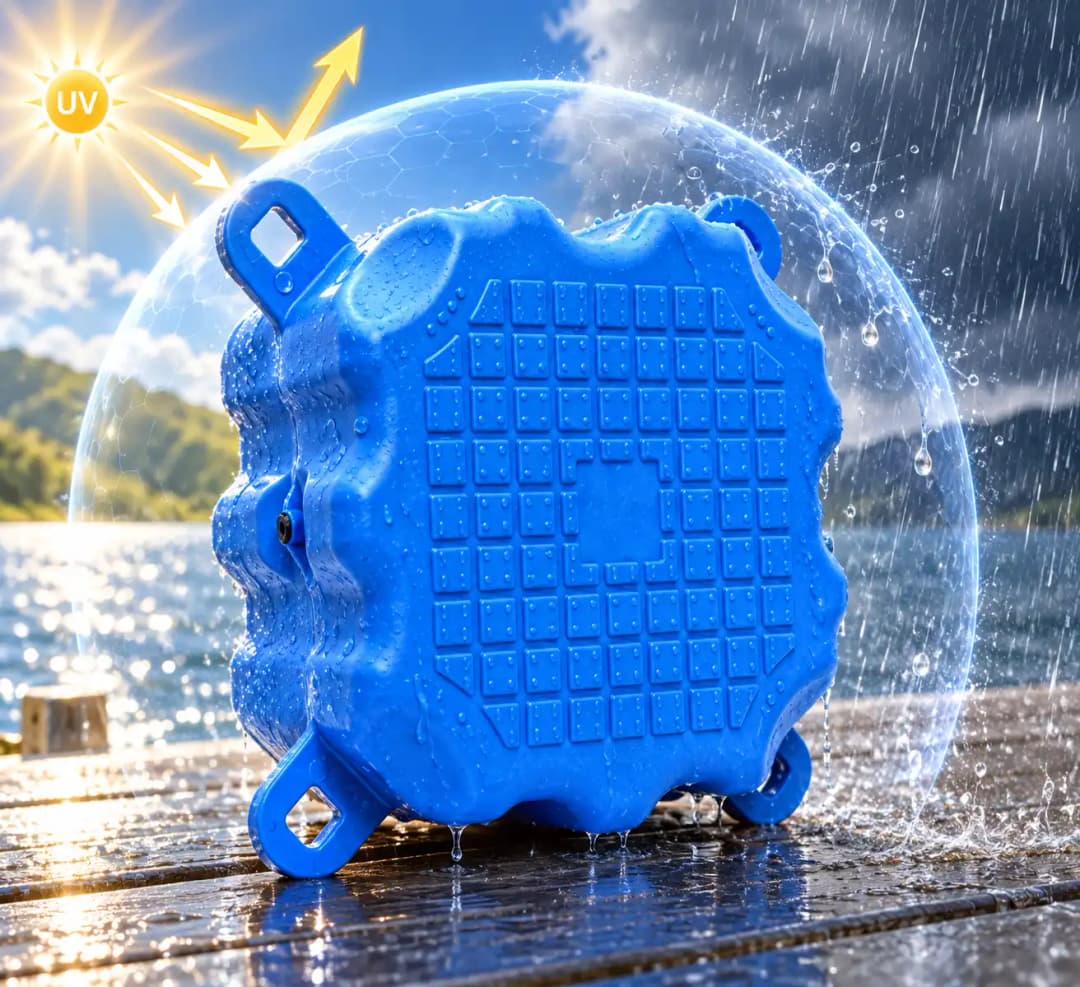
For floating cubes and road barriers that remain outdoors continuously, the more appropriate question is not simply:
"Is it made of HDPE?"
But also:
"What grade of HDPE is used, and what type of UV stabilization system does it have?"
Easy to Manufacture into Large Industrial Products
HDPE can be processed using various manufacturing methods, including injection molding, extrusion, rotational molding, and blow molding.
This versatility allows manufacturers to produce relatively large hollow products without having to assemble numerous separate components.
The British Plastics Federation notes that HDPE is used in rotational molding for products requiring rigidity, surface hardness, toughness, and chemical resistance, including large tanks and performance-oriented products.
INEOS also supplies HDPE for large-part blow molding, while ExxonMobil offers various grades for blow molding, rotational molding, and injection molding.
For products such as HDPE Floating Cubes and HDPE Road Barriers, blow molding enables the formation of a hollow body as a single main structure.
The advantage goes beyond achieving the desired shape.
Reducing the number of joints can help simplify construction and minimize connection areas that might otherwise become potential weak points, provided that the molding process is carried out using the correct parameters.
What About Recycling?
HDPE carries Resin Identification Code #2 and can be processed through recycling systems.
The EPA notes that recycled HDPE is reused to manufacture various durable products, including plastic lumber, buckets, crates, and recycling bins.
The FDA database also indicates that certain HDPE recycling processes have been reviewed for reuse in specific food-contact applications, provided that the material sources and recycling processes meet applicable requirements.
However, the term "recyclable" must be used accurately.
A product that is technically recyclable is not necessarily recycled in practice.
The final outcome depends on product design, additive composition, contamination, collection systems, and the availability of recycling facilities.
Therefore, the greatest environmental benefits of industrial HDPE products generally arise when they are designed for long service life, repeated use, proper maintenance, and a clearly established recycling pathway at the end of their useful life.
HDPE Is Not a Perfect Material
Despite its many advantages, HDPE also has limitations.
As a viscoelastic thermoplastic, HDPE exhibits changes in behavior over time when subjected to a constant load.
This phenomenon is known as creep.
The Plastics Pipe Institute explains that the mechanical properties of polyethylene under sustained loads are time-dependent. Therefore, long-term load calculations should not rely solely on short-term strength data.
This is particularly relevant to HDPE Pallets, especially when pallets are stored in racking systems under heavy loads for extended periods.
In addition, HDPE has a relatively high coefficient of thermal expansion, and its operating temperature range is more limited than that of certain other engineering materials.
For example, one of Röchling's PE-HD materials has a listed melting temperature of approximately 130–135°C and a long-term service temperature range of approximately -50°C to 80°C.
Actual values still depend on the specific material grade.
Therefore, HDPE product design must account for ambient temperature, long-term loading, UV exposure, chemical compatibility, geometry, and actual operating conditions.
So, Why Is HDPE Suitable for So Many Industrial Products?
The advantages of HDPE do not come from a single extraordinary property, but rather from the combination of multiple characteristics within one material.
HDPE is relatively lightweight while maintaining good rigidity and toughness.
It has extremely low water absorption.
Many grades offer good chemical resistance and impact resistance.
The material does not corrode like metal and can be formulated for outdoor applications.
Furthermore, molding technologies allow HDPE to be manufactured into pallets, barriers, tanks, and floating structures with complex geometries.
This is why HDPE can be used for a wide range of industrial applications.
For HDPE Floating Cubes, the most relevant characteristics are low water absorption, resistance to aquatic environments, material weight, and toughness.
For HDPE Road Barriers, impact resistance, low weight, weather resistance, and the ability to manufacture hollow structures are important considerations.
Meanwhile, for HDPE Pallets, the combination of rigidity, chemical resistance, moisture resistance, durability, and injection molding capabilities offers advantages for warehousing and logistics applications.
However, the quality of a product should never be assessed solely by the label "HDPE."
Resin grade, additives, UV stabilization, structural design, material thickness, molding processes, quality control, and product testing all play equally important roles.
Ultimately, HDPE is the base material. Actual performance is determined by how that material is engineered into a finished product.